
Trenchless Sewer Repair in Tuscaloosa: Does It Really Save Your Landscaping?
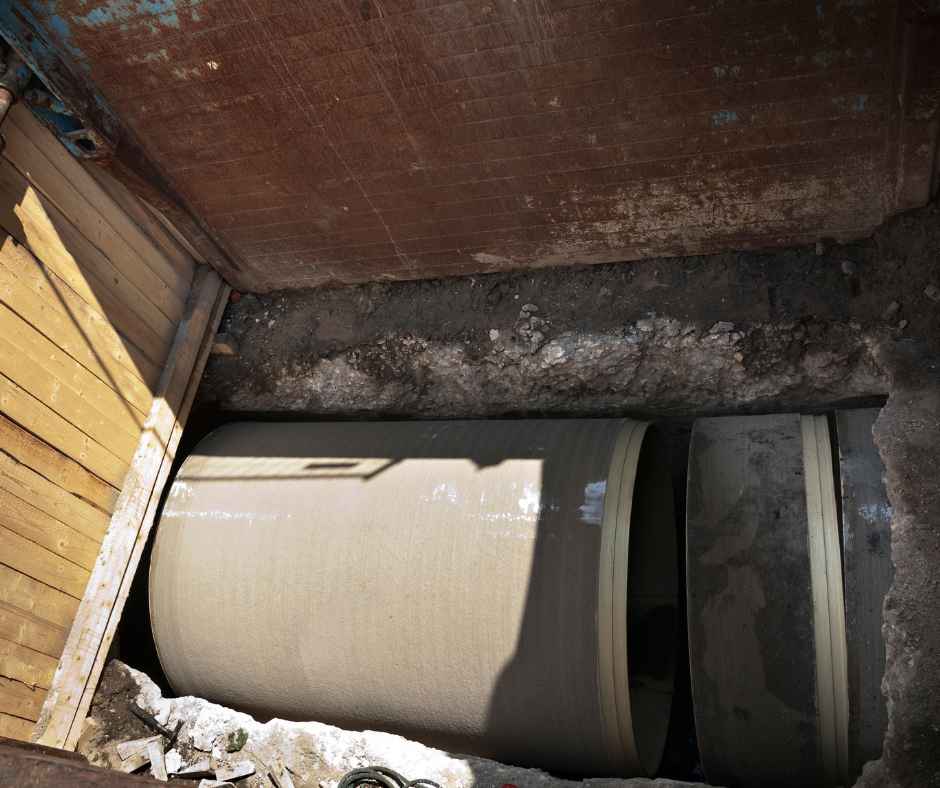
Yes, trenchless sewer repair can help Tuscaloosa homeowners protect landscaping by reducing the need for large trenches across the yard. Instead of digging up the entire sewer line, trenchless methods often use small access points to repair or replace damaged pipe, helping preserve lawns, flower beds, driveways, walkways, and mature landscaping.
A sewer line problem is stressful enough without imagining your entire yard being dug up. For many Tuscaloosa homeowners, the biggest concern is not only the plumbing repair itself. It is what happens to the lawn, landscaping, driveway, patio, or garden after the work begins.
Traditional sewer repair can require excavation along the damaged pipe. That may mean digging through grass, shrubs, hardscaping, irrigation lines, and other parts of the property. Trenchless sewer repair is often a less invasive option.
In this guide, we’ll explain how trenchless sewer repair works, whether it really saves your landscaping, when it is a good option, and when Banks Quarles Plumbing Heating Cooling & Electrical can help determine the best repair method for your Tuscaloosa home.
What Is Trenchless Sewer Repair?
Trenchless sewer repair is a method of repairing or replacing an underground sewer line with minimal digging. Instead of excavating the entire length of the damaged pipe, plumbers usually create one or two access points to reach the sewer line.
Common trenchless sewer repair methods include:
- Pipe lining
- Pipe bursting
- Sewer camera inspection
- Access point excavation
- Spot repairs in certain situations
Pipe lining creates a new pipe surface inside the existing damaged pipe. Pipe bursting breaks apart the old pipe while pulling a new pipe into place. The right method depends on the condition of the existing sewer line, the pipe type, the line depth, and the location of the damage.
Less digging means less disruption to the property.
How Does Trenchless Sewer Repair Save Landscaping?
Trenchless sewer repair can save landscaping because it does not usually require digging a long trench across the entire yard. In many cases, plumbers only need to expose limited access areas.
That can help protect:
- Grass
- Flower beds
- Shrubs
- Mature trees
- Irrigation lines
- Walkways
- Patios
- Driveways
- Retaining walls
- Fencing
- Outdoor lighting
- Decorative landscaping
For homes with established yards, trenchless repair can make a major difference. Instead of removing large sections of turf or landscaping, the repair may be completed through smaller openings.
This does not mean there is no digging at all. Most trenchless repairs still require some excavation. However, the amount of digging is usually much less than traditional sewer replacement.
Is Trenchless Sewer Repair Completely Dig-Free?
No. Trenchless sewer repair is not always completely dig-free. The word “trenchless” means the repair avoids a long open trench, not that the property is never disturbed.
Some digging may still be needed to:
- Access the sewer line
- Reach a cleanout
- Create an entry point
- Create an exit point
- Remove severely damaged pipe sections
- Connect the repaired pipe to the existing plumbing
- Address collapsed or blocked sections
The difference is the scale of the disruption. Traditional sewer repair may require a trench across the yard. Trenchless repair may only require small access points.
For many Tuscaloosa homeowners, that reduced excavation can mean less damage, faster cleanup, and lower restoration needs after the plumbing repair is complete.
When Is Trenchless Sewer Repair a Good Option?
Trenchless sewer repair can be a good option when the existing sewer line is damaged but still has sufficient structural integrity to support the repair method. A professional inspection is needed before deciding.
Trenchless sewer repair may work well for:
- Cracked sewer pipes
- Root-damaged lines
- Small gaps or separations
- Aging sewer lines
- Recurring sewer clogs
- Pipes under landscaping
- Pipes under driveways
- Pipes near patios or hardscaping
- Sewer lines that are difficult to access
- Homeowners who want to reduce yard damage
It may also be a strong option when traditional excavation would disturb expensive landscaping, established trees, or paved areas.
A sewer camera inspection is usually the first step. It allows the plumber to see inside the line and determine whether a trenchless repair is possible.
When Is Traditional Sewer Repair Still Needed?
Trenchless sewer repair is useful, but it is not the right solution for every sewer line problem. Some pipes are too damaged, collapsed, misaligned, or blocked for trenchless methods to work properly.
Traditional sewer excavation may be needed if:
- The pipe has fully collapsed
- The line has severe bellies or sagging
- Sections of pipe are missing
- The sewer line has major misalignment
- The pipe cannot be cleaned enough for lining
- Access points are not available
- The damage is too extensive
- The sewer line layout prevents trenchless repair
- The pipe material is not compatible with the method
- Local conditions require excavation
In some cases, a combination of trenchless and traditional repair may be the best solution. A small section may need excavation, while the rest of the line may be repaired with a less invasive method.
How Do You Know If Your Sewer Line Needs Repair?
Sewer line problems often start with small warning signs. Ignoring them can lead to backups, property damage, and more expensive repairs.
Common signs of sewer line trouble include:
- Multiple slow drains
- Gurgling toilets
- Sewage smells inside or outside
- Water backing up into tubs or showers
- Basement or floor drain backups
- Repeated clogs
- Wet spots in the yard
- Sunken patches of grass
- Extra green areas in the lawn
- Sewage odor near the yard
- Pests around drains or wet areas
- Toilets that bubble when water runs elsewhere
A slow sink may be due to a local drain clog. Multiple fixtures backing up simultaneously may indicate a main sewer line issue.
If the same drain problems keep recurring, the sewer line should be inspected rather than repeatedly cleared without finding the cause.
Why Do Sewer Lines Fail in Tuscaloosa Homes?
Tuscaloosa homes can experience sewer line problems for several reasons. Some issues develop over time, while others happen suddenly after storms, soil movement, or root growth.
Common causes of sewer line damage include:
- Tree root intrusion
- Aging pipe materials
- Soil shifting
- Heavy rain
- Poor drainage
- Grease buildup
- Pipe corrosion
- Cracked joints
- Ground settling
- Improper installation
- Construction damage
- Repeated clogs
Tree roots are one of the most common problems. Roots naturally seek moisture and can enter small cracks or joints in the sewer line. Once inside, they can grow, catch debris, and create blockages.
Older sewer lines may also become brittle, cracked, or separated. A camera inspection can help identify the cause of the problem and whether a trenchless repair is a good fit.
Does Trenchless Sewer Repair Cost Less Than Traditional Digging?
Trenchless sewer repair may cost more upfront than a basic excavation repair in some cases, but it can save money by reducing property restoration costs. The total cost depends on the sewer line’s depth, length, condition, location, and repair method.
Trenchless repair may help reduce costs related to:
- Lawn replacement
- Landscaping repair
- Driveway removal
- Patio replacement
- Walkway repair
- Irrigation line damage
- Fence removal
- Tree or shrub replacement
- Cleanup after excavation
For many homeowners, the true cost of sewer repair is not just the plumbing work. It is also the cost of putting the yard back together afterward.
If the damaged line runs under a simple open area, traditional repair may be practical. If it runs under landscaping, hardscaping, or a driveway, trenchless repair may offer better overall value.
Can Trenchless Sewer Repair Protect Driveways and Walkways?
Yes, trenchless sewer repair can often help protect driveways, sidewalks, walkways, and patios. This is one of the biggest benefits for homeowners whose sewer line runs under hard surfaces.
Traditional excavation may require cutting or breaking through concrete, pavers, asphalt, or stonework. After the sewer repair, those surfaces must be restored.
Trenchless repair may help avoid or reduce damage to:
- Concrete driveways
- Sidewalks
- Front walkways
- Backyard patios
- Paver areas
- Pool decks
- Garage approaches
- Retaining wall areas
Whether hardscape damage can be avoided depends on access, pipe condition, and repair method. A camera inspection and site evaluation can help determine the least disruptive approach.
How Long Does Trenchless Sewer Repair Take?
Trenchless sewer repair is often faster than traditional sewer replacement because it requires less digging and property restoration. The timeline depends on the length of the repair, access conditions, pipe condition, and whether the sewer line needs to be cleaned first.
The process may include:
- Locating the sewer line
- Performing a camera inspection
- Clearing roots or debris
- Creating access points
- Installing the liner or replacement pipe
- Testing the repaired line
- Restoring small access areas
Some projects can be completed faster than a full excavation repair. More complex jobs may take longer, especially if the pipe is badly blocked, deep underground, or difficult to access.
What Happens During a Sewer Camera Inspection?
A sewer camera inspection helps determine whether trenchless sewer repair is possible. A small waterproof camera is sent through the sewer line to show the condition of the pipe from the inside.
A camera inspection can identify:
- Cracks
- Root intrusion
- Pipe collapse
- Grease buildup
- Bellies or sagging
- Offset joints
- Corrosion
- Blockages
- Pipe material
- The location of the damage
- The depth and direction of the line
This inspection helps avoid guesswork. Instead of digging first and discovering the problem later, plumbers can locate the issue and recommend the most effective repair method.
How Can Homeowners Protect Their Sewer Line After Repair?
After a sewer line repair, homeowners can reduce the risk of future problems with better drain habits and regular maintenance.
To help protect your sewer line:
- Do not pour grease down drains.
- Avoid flushing wipes, even if labeled flushable.
- Keep paper towels out of toilets.
- Schedule drain cleaning when clogs repeat.
- Watch for slow drains.
- Keep large trees monitored near sewer lines.
- Address yard drainage issues.
- Avoid planting aggressive roots near the sewer line.
- Schedule inspections for older sewer systems.
- Call early when multiple drains act up.
A repaired sewer line can last longer when the system is used properly and warning signs are handled quickly.
Can Trenchless Sewer Repair Save Your Tuscaloosa Landscaping?
Trenchless sewer repair can often save Tuscaloosa homeowners from major yard damage by avoiding the long trenches used in traditional sewer replacement. While it is not completely dig-free, it can reduce disruption to lawns, flower beds, driveways, walkways, patios, and mature landscaping.
If you are dealing with repeated sewer clogs, backups, sewer odors, or signs of underground pipe damage, Banks Quarles Plumbing Heating Cooling & Electrical can help. Schedule service today to find out whether trenchless sewer repair is the right way to protect your plumbing and your landscaping.